


Installing Sine Wave Inverter: Step-by-Step Guide

Planning to buy an inverter for your home but worried about handling the hassles of installing it? Don’t be much surprised if we tell you that you can install it on your own. In fact, you can save labor costs while escaping all other installation pitfalls.
So, if you are trying to understand how to go about installing sine wave inverter at your home, read along till the end to understand what pure sine wave inverters are and how to go about installing them. However, while installing these components, you must follow the standards prescribed in the installation guides.
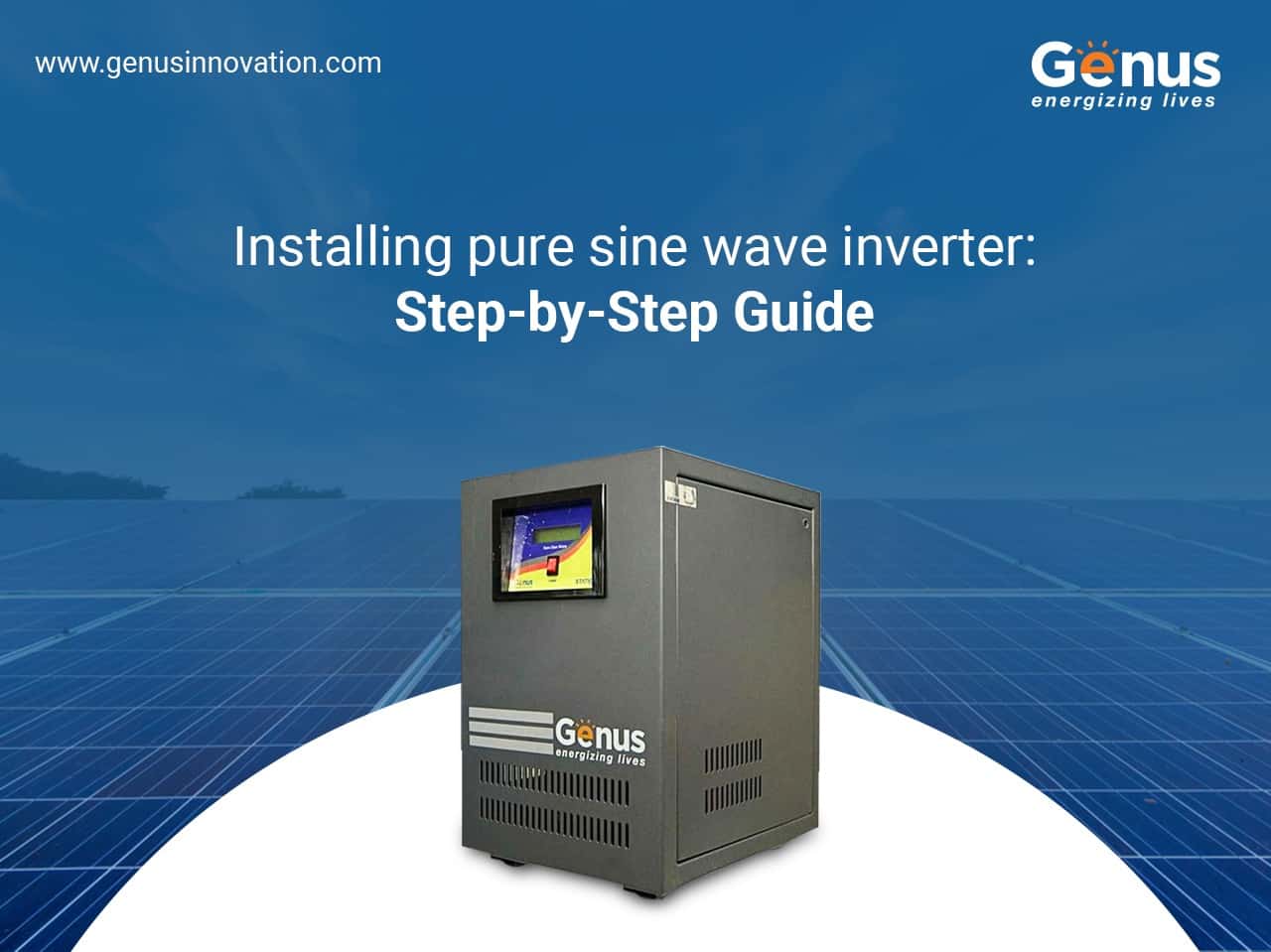
What Is A Pure Sine Wave Inverter?
A device that converts DC to AC, and alternatively AC into DC if needed is known as the inverter. An inverter transforms direct current into alternating current which later is used to deliver high-quality electricity current similar to utility standards to all types of home appliances. If you have already done some research about solar products for home, you would have come across three system components i.e., batteries, alternator, and sine wave inverter. There are two main inverter technologies: pure sine wave and modified sine wave. Pure sine wave inverters are generally more expensive than modified sine wave inverters. Pure sine wave inverters are made of high-quality electronics and are highly efficient in providing electric current with the same characteristics as utility companies, thus preventing damage due to overheating. On the other hand, modified sine wave inverters are cheaper but less efficient and cannot run all types of appliances. Additionally, pure sine wave inverters are also transformers. Now that you know what a pure sine wave inverter is and how to install these.Pure Sine Wave Inverter Installation
Having access to an uninterrupted power supply during power cuts is more of a necessity than an amenity. And installing sine wave inverter is a critical aspect of setting up an alternative source of power. Inverters are sensitive to external factors like temperature, moisture, airborne contamination, etc. A cool, clean, and dry place with good ventilation would be ideal to install any type of inverter. Following are the steps you can follow while installing an inverter at home.-
Determining The Scope Of Work
-
Installing Fuse Holder and Route Cables
-
Mounting the Inverter Perfectly
-
Connecting Battery to Inverter


